Hola 👋
Cahuita National Park, located on Costa Rica’s Caribbean coast, offers visitors a mix of natural beauty and wildlife. Anna and I visited in Fall 2023 and had a great time exploring. It’s a massive park and we only scratched the surface with the time we had, but more on that below. This guide will cover what you need to know for a visit to Cahuita National Park, from getting there to exploring its trails. Let’s go!
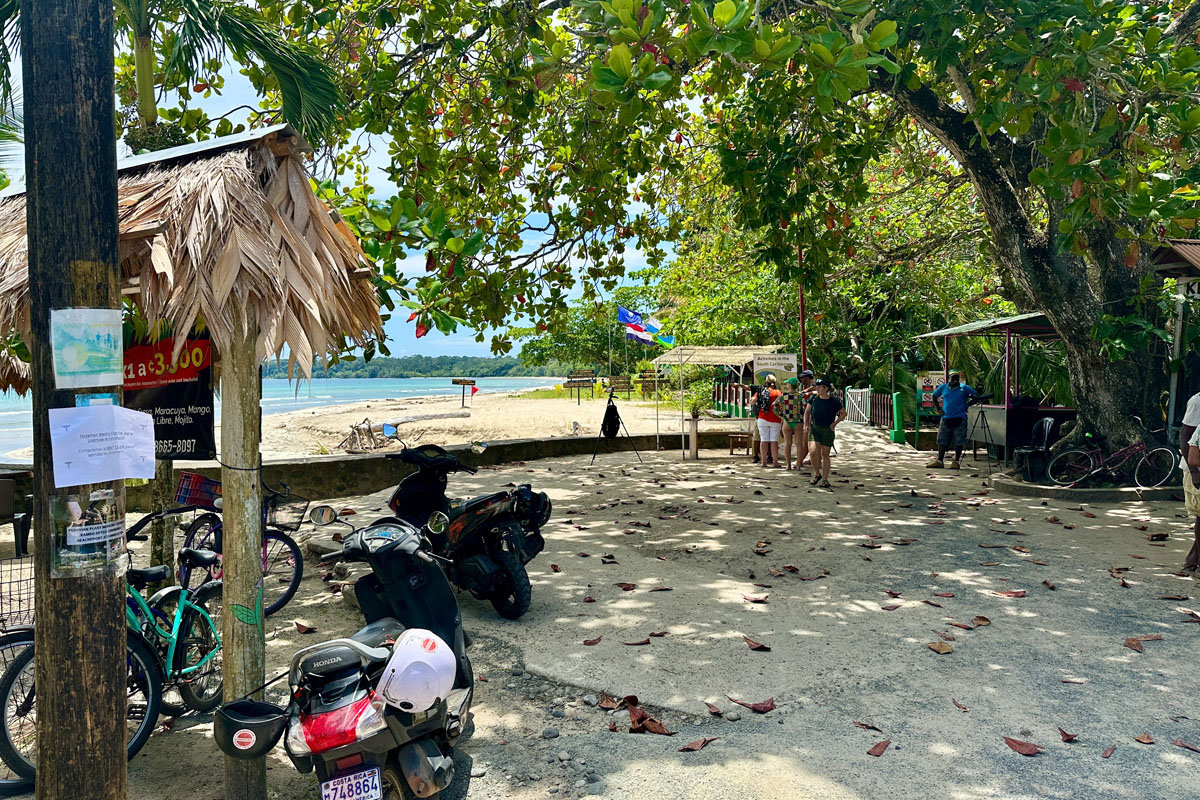
The Kelly Creek entrance to Cahuita N.P.
Getting to the Park
There are two entrances to Cahuita National Park. The most popular entrance is the Kelly Creek Ranger Station in Cahuita Town, and the second is the Puerto Vargas Station. You can visit both entrances separately, or they connect within if you’d like to explore the whole park.
We recommend starting at the Kelly Creek Station for a full park adventure. It takes 3-4 hours to walk from there through the trails to the Puerto Vargas Station. Normally, taxis are waiting for visitors who need to be shuttled back to the main entrance so you don’t have to walk back.
Kelly Creek Station Entrance
If you’re staying in the Puerto Viejo area, reaching the Kelly Creek entrance is super straightforward. It’s around 20 minutes of diving on Highway 36, and you’ll turn off into Cahuita Town. You’ll pass by a few small parking lots before you reach a big lot at the end. We prefer to pay a few extra dollars and park in the small private lots, where security is a bit better.
The entrance fee at this entrance is by donation. With a minimum expected of ₡1000, we encourage you to leave a little more. It’s not much money and your donation helps keep the park funded. You’ll be asked to write your names and contact info in the park registry and then you can enter.
Kelly Creek – 20 minutes from P.V.
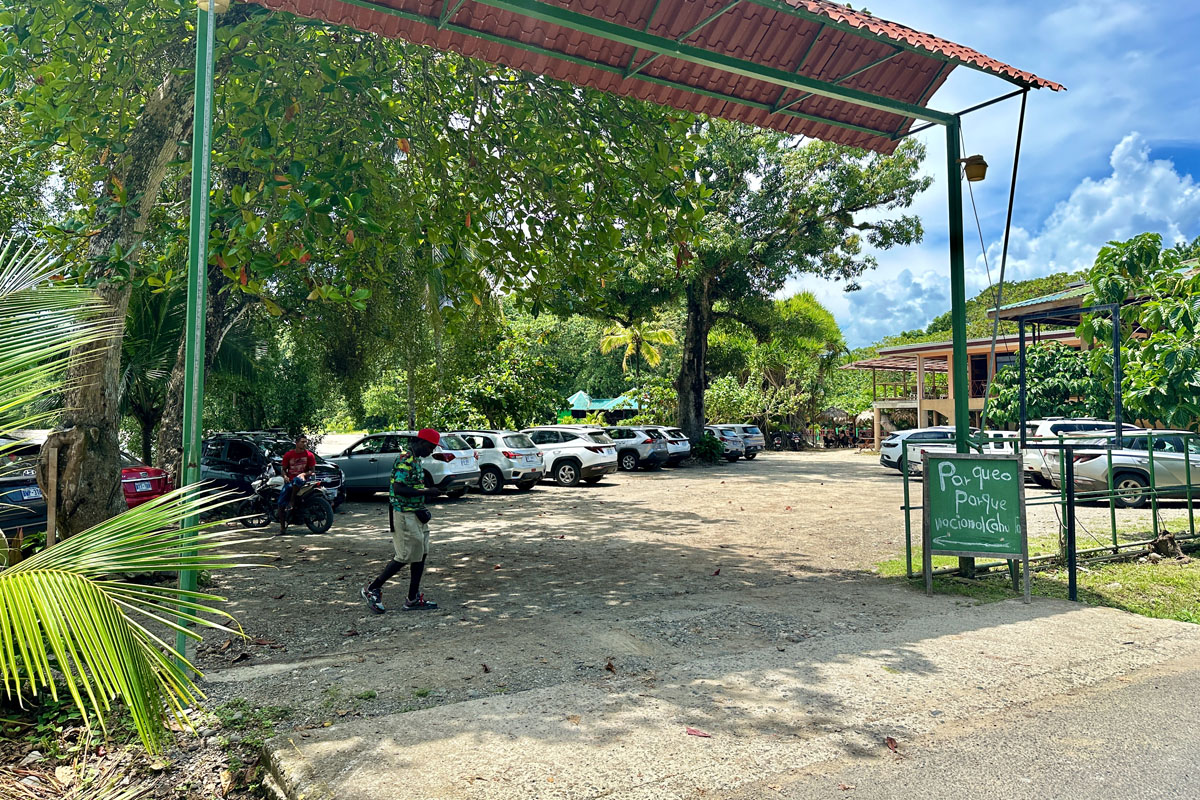
Parking at Kelly Creek Station
Puerto Vargas Station Entrance
The Puerto Vargas Ranger Station is about 15 minutes from Puerto Viejo Town. The entrance fee is $10 and is required. Continue in, and you’ll see a path that leads out towards the beach and trails connecting to the Kelly Creek Station. You can take a quick taxi back here if you make it through the whole park.
Puerto Vargas – 15 minutes from P.V.
Exploring The Park
The park’s trails are relatively easy to walk and offer direct access to beaches and a view of the local wildlife. The Kelly Creek path follows the coastline, combining ocean views with dense jungle scenery. Common animal sightings include Howler and White-faced monkeys, sloths, and even snakes if you’re lucky. We recommend hiring a guide if you’re goal is to see as much animal life as possible. Sloths especially, can be hard to see up in the dense foliage.
Expect humid conditions and occasional rain, typical of a rainforest environment. Start early to get a jump on the heat, and then head over to the BriBri Waterfalls for a swim.
Good To Know
Aerial video drones are not allowed in the park. The rangers will check your bag and turn you away if you have a drone.
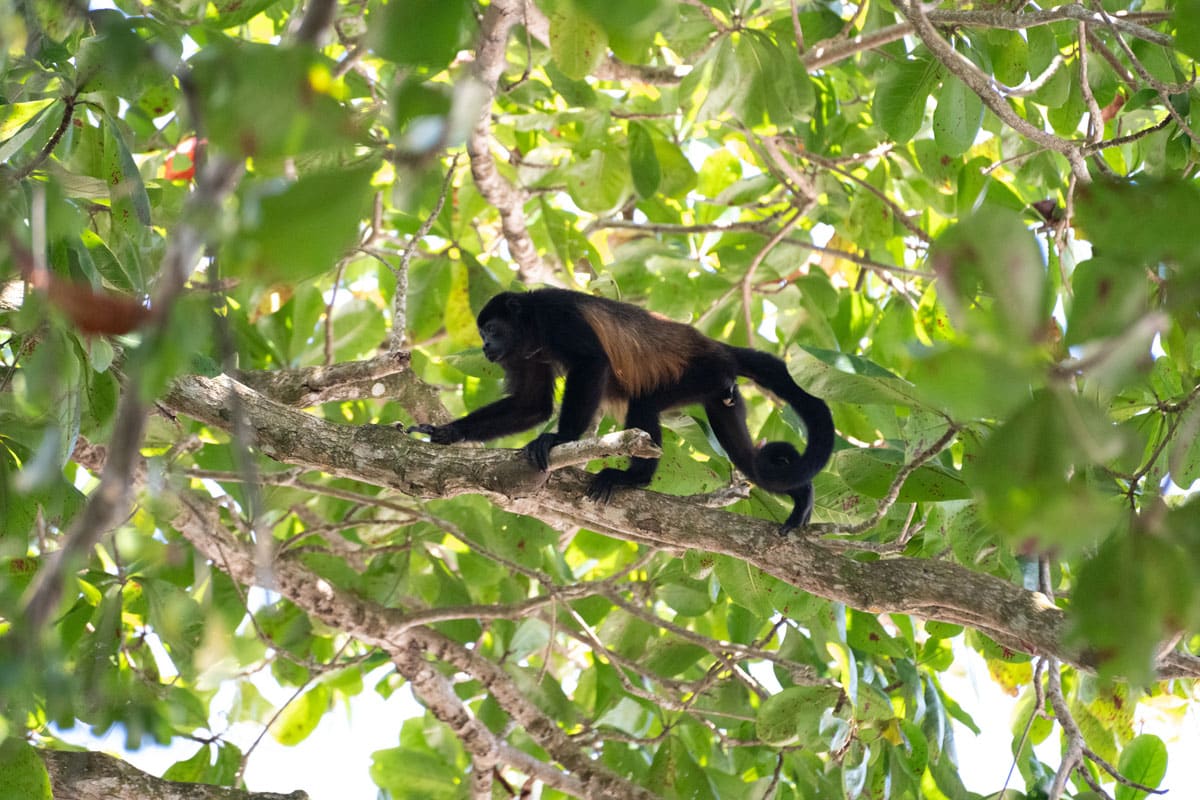
Howler (Congo)
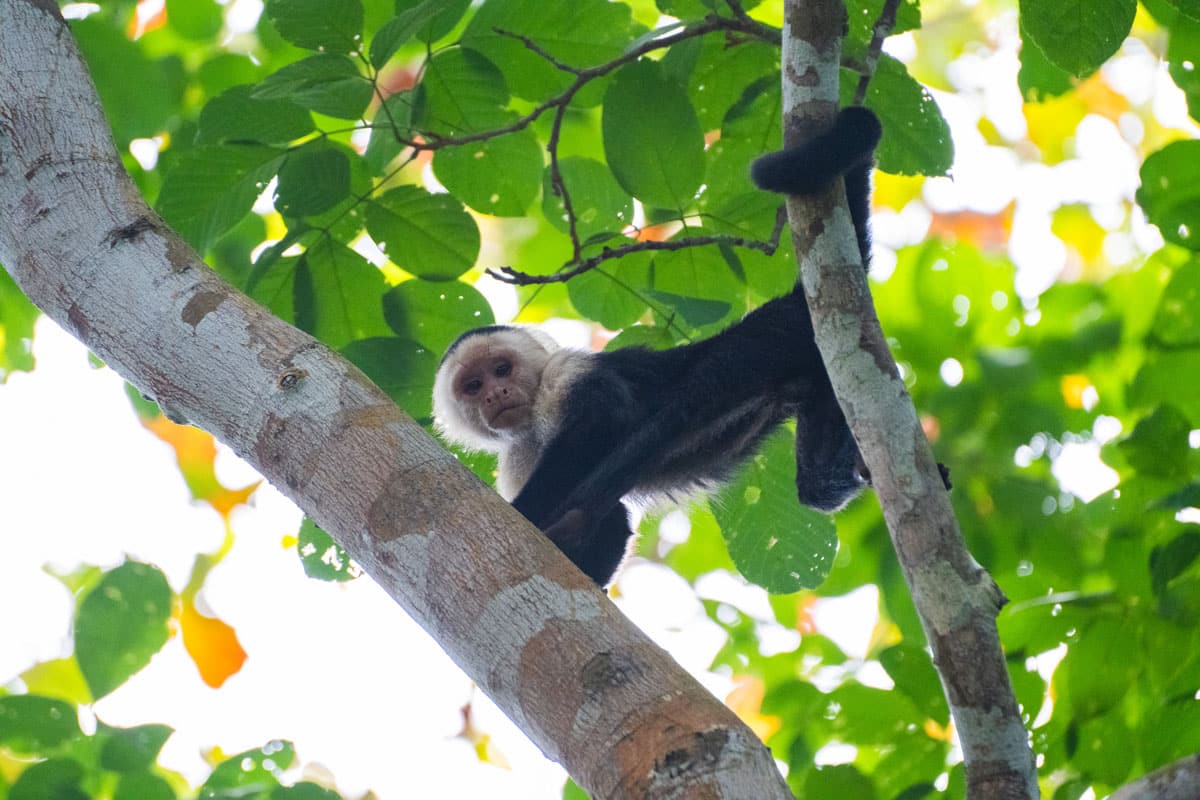
White-face (Capuchin)
Hiring A Guide
Consider hiring a local guide to enhance your visit. They usually have a telescope and can help spot animals and plants easily missed by untrained eyes. You may want to bring a lightweight phone adapter like this that will allow you to take pictures through their telescope. We did that during a night tour of Rainmaker Park in Manuel Antonio and got some fun shots. The guides will also share stories and facts about the park’s history and conservation work.
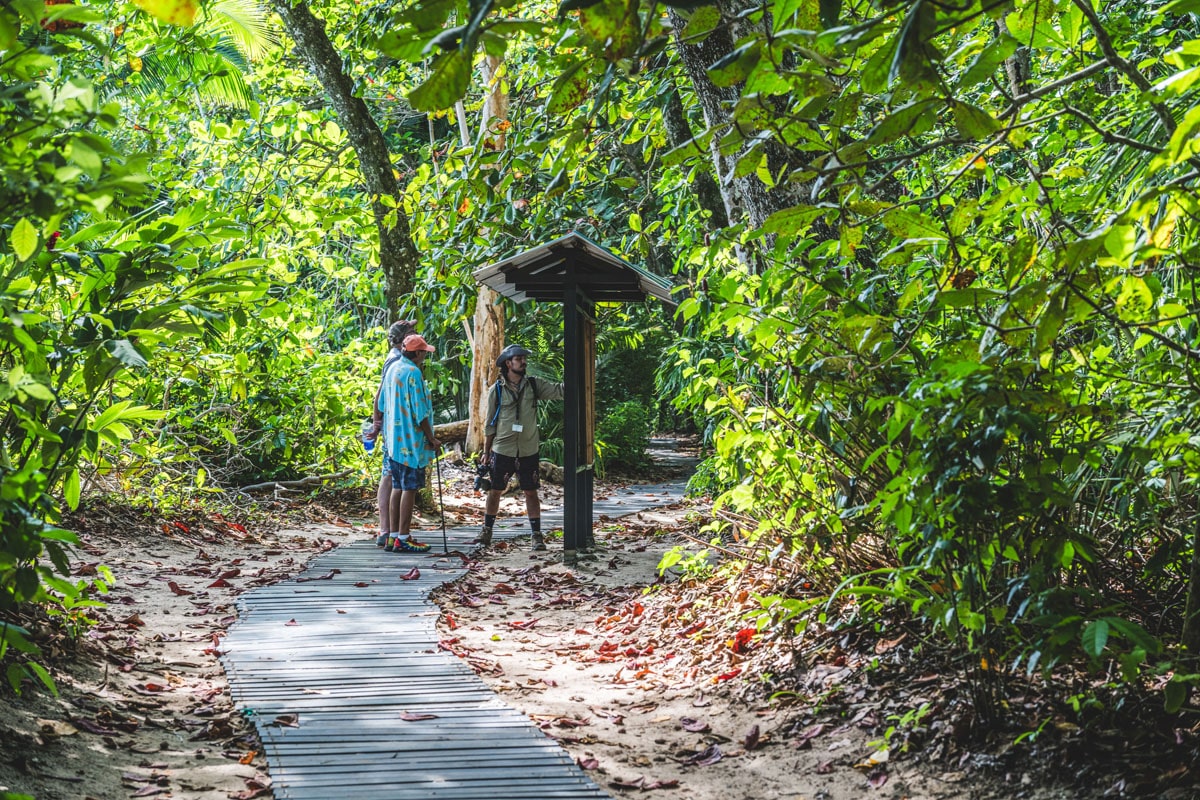
A local guide in the park
Park Beaches
Playa Blanca
Accessible from the Kelly Creek entrance, Playa Blanca is the picturesque white sand beach that’s most visited by travelers.
Puerto Vargas
Puerto Vargas beach is most easily reached by entering from the Puerto Vargas gate. Otherwise, you’ll need to talk the entirety of the park to get here.
Snorkeling
The months of August and September offer the best conditions for snorkeling. Ocean swells are less, and fewer intense storms keep sediment from clouding the shallow waters. The park’s coral reefs host diverse marine life, including colorful fish and sea turtles. You’ll need to join a guided tour because snorkeling on your own isn’t allowed in the park.
Regrettably, we didn’t snorkel when we had the opportunity during the calm waters of August and September. We had too much planned and it was a rookie move missing that.
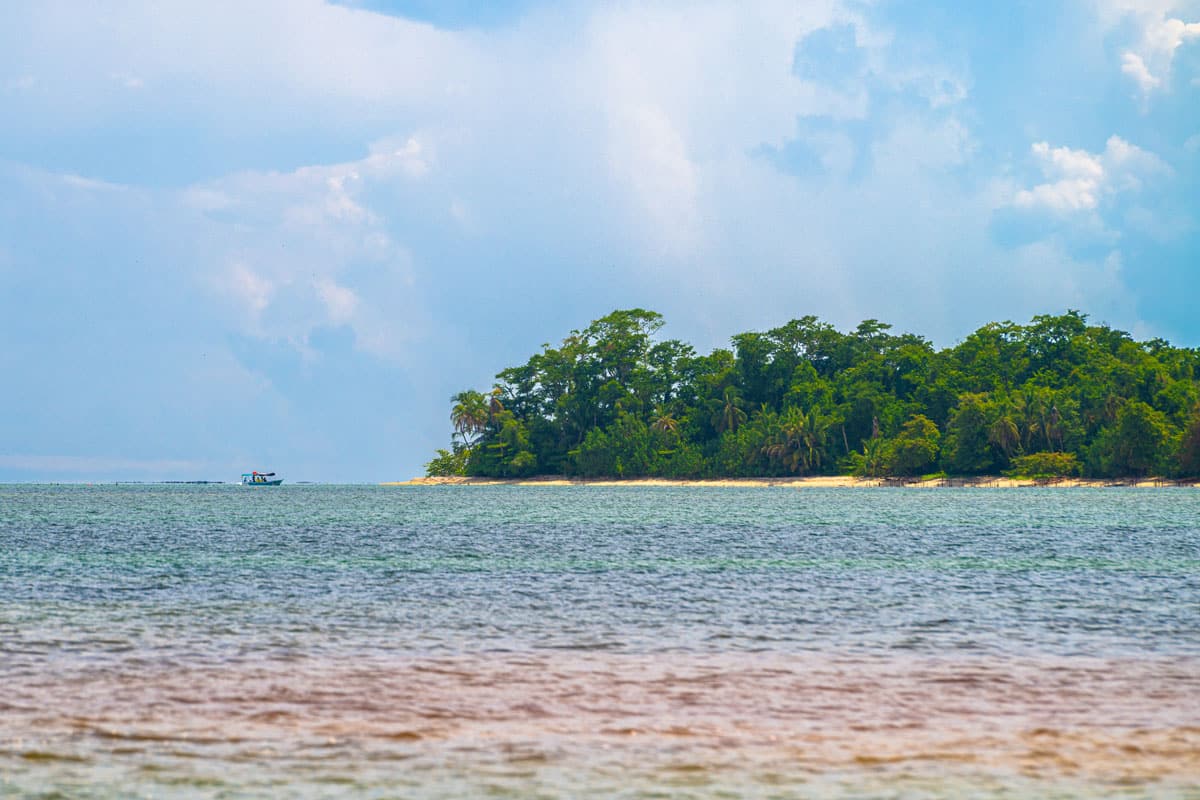
A snorkeling guide boat in the distance
Tips for Visiting
Don’t bring a camera drone
Aerial drones are prohibited in the park. I experienced this first-hand when the ranger checked my backpack before entering. I offered to give them my batteries so I wouldn’t have to walk back to the car, but that was a no-go.
Bring the essentials
Like all parks in Costa Rica, there’s standing water and mosquitos. Pack some mosquito repellent, reef-safe sunscreen, water, and snacks for your visit. There are a few little markets outside of the main gate if you need to buy any last minute items, but it’s better to come prepared. Check out our complete Costa Rica packing list here.
Practice sustainable tourism
Cahuita National Park is a beautiful place, so help preserve it. Minimize your environmental impact by staying on the marked trails and disposing of trash responsibly.
Respect the wildlife
White-faced monkeys may come up pretty close to scope out if you have any food. Keep a safe distance from animals and never feed them.
Hire a Guide
Hire a trained guide to see the most animal life. We didn’t and wished we did. Some guides were kind enough to show us a yellow eyelash viper and sloths that we wouldn’t have seen otherwise.
Don’t Forget
You can buy almost anything you need in the area, but the prices of some items may surprise you. Sunscreen can cost upwards of $20 USD for a normal size tube at the local market. Some of our don’t forget items are listed below.
Sunscreen – Reapply all day when you’re outside. The sun is no joke here!
Bug Spray – Bugs are minimal in the day but mosquitoes often come out in the evening.
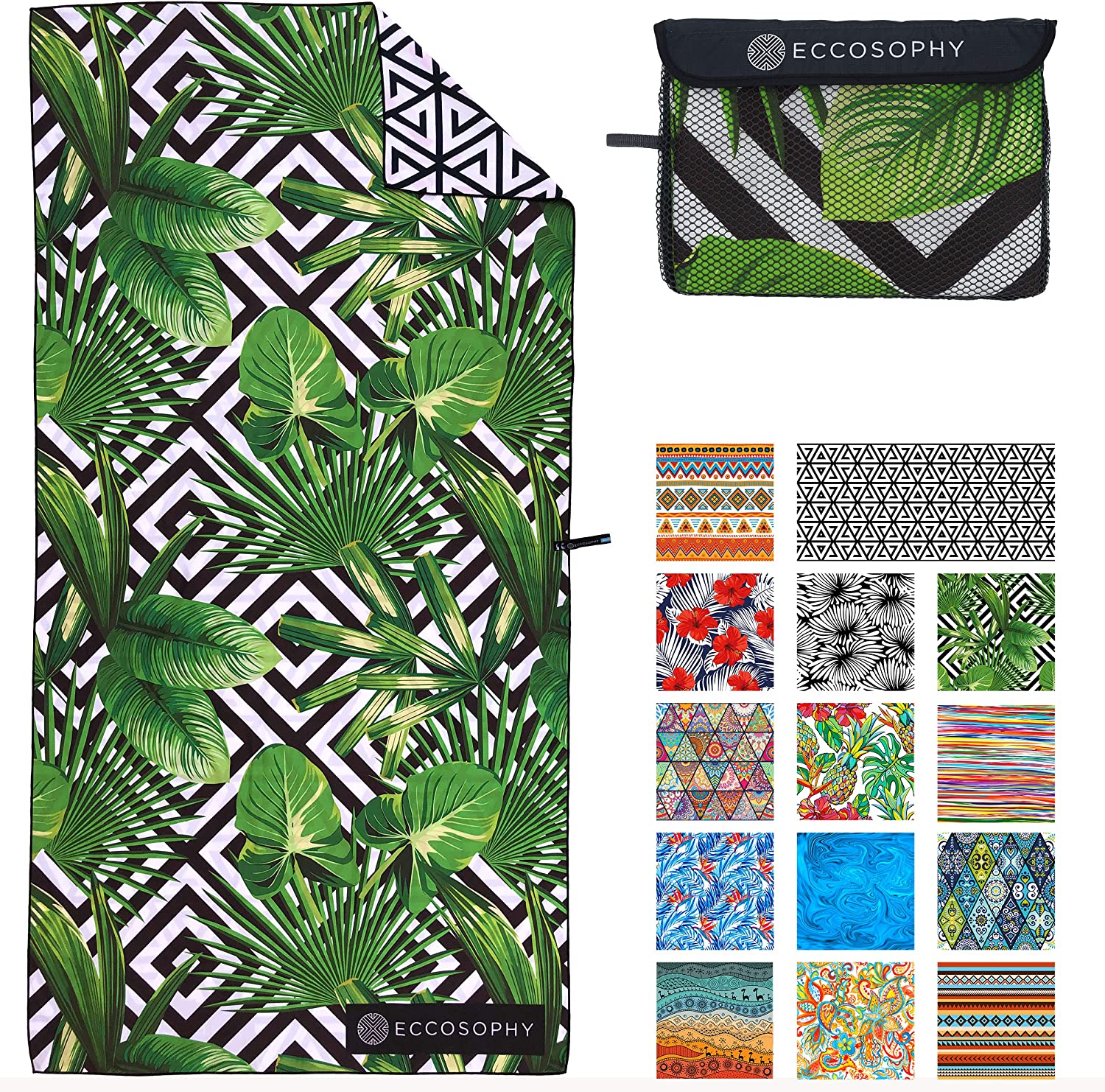
Quick-dry towel – These quick-dry towels are also sand free.
Waterproof hat – I like this floating hat, but anythig works.
Polarized sunglasses – They don’t have to break the bank. Check out these polarized sunglasses by Blenders.
Waterproof phone case – Great if you’re going to be on the ocean.
Let’s go!
Visiting Cahuita National Park is a straightforward way to experience Costa Rica’s biodiversity and natural beauty. Whether you’re there for the trails, the wildlife, or the snorkeling, Cahuita offers a glimpse into the rich ecological environment of the region without the need for excessive planning.
Don’t miss the guide to our favorite activities and restaurants in Puerto Viejo, including two of our favorites near Cahuita National Park.